
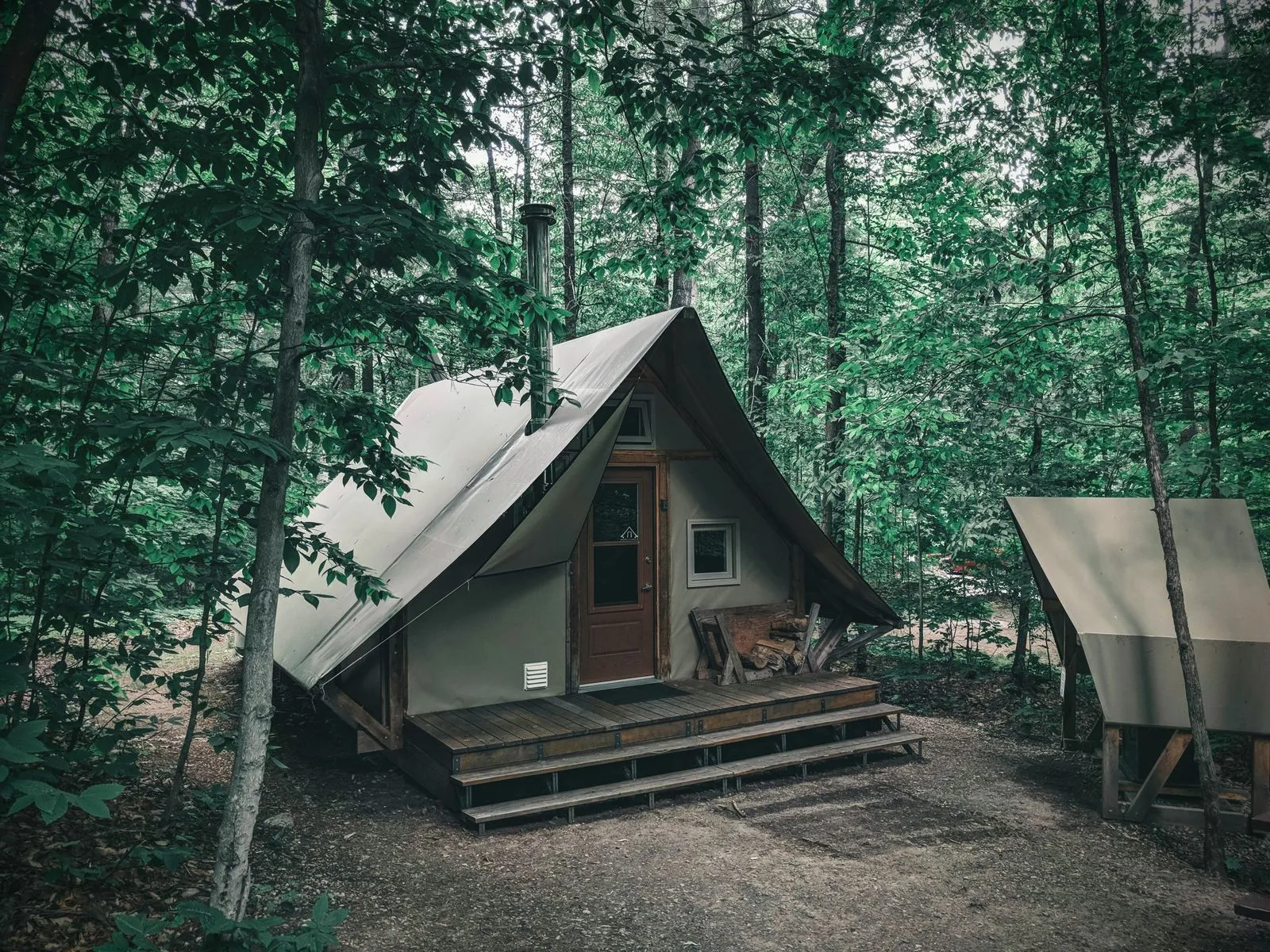
A cabin deck has to handle more than foot traffic. In Maine, rain, snow, freeze-thaw cycles, and strong sun can all affect how boards look and perform. The right material depends on your budget, how much upkeep you are willing to do, and whether you prefer the character of natural wood or a more consistent manufactured finish. Compare the main options before choosing, and consider how the deck’s exposure and drainage will influence its lifespan.
Pressure-Treated Wood
Pressure-treated lumber is a familiar choice for deck framing and surfaces because it is widely available and can be less costly upfront than many alternatives. It provides a straightforward, natural-wood look, and you can stain or paint it to suit the cabin. Boards may twist, crack, or develop splinters as they dry and weather, so select sound lumber and install it with appropriate spacing.
Wood needs regular attention in a Maine climate. Keep leaves and debris from holding moisture against the boards, and check for loose fasteners, decay, and damaged areas. A compatible stain or water-repellent finish can help limit moisture absorption, but it will need refreshing according to the product directions and the deck’s exposure. A sunny, exposed deck may weather differently from one shaded by trees.
Cedar and Other Natural Woods
Cedar offers distinctive grain and warm color, which can complement a rustic cabin setting. It is lighter than many treated boards and naturally resists some insect and decay damage, but it is not maintenance-free. Sun and moisture gradually change its color, and boards can split or wear. Other species may offer different looks and performance, so confirm that the product is suitable for exterior decking and local conditions.
Plan for routine cleaning and periodic protection if you want natural wood to retain its color. Without a finish, wood will weather toward a more muted, silvery appearance; that may suit the cabin, but it does not remove the need to inspect the deck. Keep gaps clear so water can drain, and avoid letting soil, snow, or vegetation stay in contact with the boards for long periods.
Composite and PVC Decking
Composite boards combine wood fibers and plastic, while PVC boards are made primarily from plastic. Both are available in consistent colors and finishes and generally need less surface maintenance than wood: routine washing is usually preferable to sanding and staining. Product performance varies, so review the manufacturer’s instructions for cleaning, fasteners, temperature limits, and warranty conditions before selecting a line.
Manufactured boards do not eliminate weather-related considerations. Sun can heat exposed surfaces and affect color over time, while standing water, ice, and packed debris can create slippery conditions or interfere with drainage. Composite boards may show scratches or stains, and PVC can have a more uniform appearance than natural wood. Check samples outdoors, where light and surrounding scenery can change how a color reads.
Match Materials to the Site
Start with the deck’s exposure. A shaded site with nearby trees may collect damp leaves, while a fully exposed deck faces stronger sun and more direct rain and snow. Good drainage, airflow beneath the deck, and suitable ground clearance matter whichever surface you choose. Follow the board maker’s installation details, including joist spacing and required gaps, rather than assuming all materials install the same way.
Compare the full ownership picture, not just the board price. Include cleaning, finishes, replacement boards, and the time required for upkeep. Ask a builder how the chosen material handles your site’s slope, shade, and access for snow removal. Belfast Cabin Decks can help homeowners in Belfast compare options against their cabin’s conditions and preferred level of maintenance.
For a Maine cabin, wood offers natural character but asks for regular care; composite and PVC reduce finishing work while bringing their own installation and weather considerations. Check product guidance, assess drainage and sun exposure, and choose the balance of appearance and upkeep that fits your use. If you are planning a deck in Belfast, talk with a local builder about materials suited to your site.